Fuel efficiency has become one of the top priorities for vehicle owners around the world. With rising fuel prices and increasing awareness about environmental impact, drivers are searching for reliable ways to reduce fuel consumption and improve overall vehicle performance. One product attracting attention in the automotive market is the SynGas OBD Fuel Saver Device.
?ORDER HERE Limited Stock Alert!
Designed to work with modern vehicles through the OBD2 system, this compact device claims to optimize fuel usage, improve engine performance, and support a smoother driving experience. In this article, we will explore how the SynGas OBD Fuel Saver Device works, its key features, benefits, and whether it is worth considering for your vehicle.
What Is the SynGas OBD Fuel Saver Device?
The SynGas OBD Fuel Saver Device is a plug-and-play automotive tool that connects directly to a vehicle’s OBD2 (On-Board Diagnostics) port. Most vehicles manufactured after 1996 include an OBD2 system that monitors engine performance, fuel injection, emissions, and other critical functions.
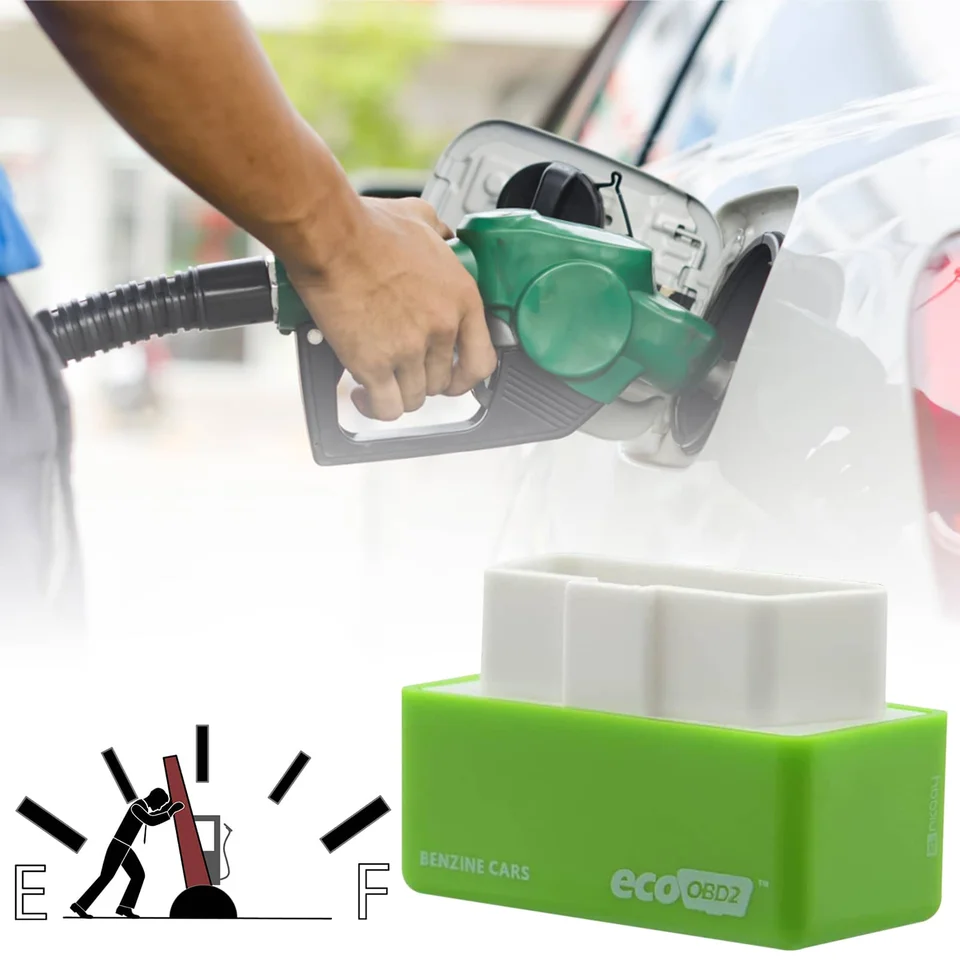
The device is designed to communicate with the vehicle’s ECU (Engine Control Unit) and collect real-time driving data. By analyzing driving habits and engine behavior, the SynGas OBD Fuel Saver Device aims to optimize fuel efficiency and improve overall engine operation.
Unlike expensive engine tuning or mechanical upgrades, this device offers a simpler and more affordable approach to fuel-saving technology.
How Does the SynGas OBD Fuel Saver Device Work?
Modern vehicles rely heavily on computer-controlled systems for efficient engine performance. The SynGas OBD Fuel Saver Device uses the OBD2 interface to access information from the vehicle’s onboard computer.
After installation, the device begins monitoring factors such as:
• Fuel consumption patterns
• Throttle response
• Air-to-fuel ratio
• Engine performance data
• Driving behavior
As the device gathers information, it gradually adjusts ECU parameters to support better fuel optimization. Over time, drivers may notice smoother acceleration, more stable engine performance, and improved fuel economy.
The learning process usually requires several driving sessions before the device fully adapts to the vehicle and driving style.
→ Click Here to Buy Now SynGas OBD Fuel Saver Device
Key Features of the SynGas OBD Fuel Saver Device
?Plug-and-Play Installation
One of the biggest advantages of the SynGas OBD Fuel Saver Device is its easy installation process. Drivers simply locate the OBD2 port beneath the dashboard and plug in the device. No tools, wiring, or professional installation are needed.
?Fuel Consumption Optimization
The device is designed to help reduce unnecessary fuel usage by improving ECU efficiency and supporting better combustion management.
?Improved Engine Response
Many users report smoother acceleration and better throttle response after using the SynGas OBD Fuel Saver Device consistently.
?Wide Vehicle Compatibility
The SynGas OBD Fuel Saver Device is compatible with most OBD2-equipped gasoline and diesel vehicles manufactured after 1996.
?Compact and Discreet Design
Its small size allows the device to remain hidden under the dashboard without affecting driving comfort or vehicle appearance.
Benefits of Using the SynGas OBD Fuel Saver Device
?Reduced Fuel Expenses
Fuel savings are the main reason many drivers consider purchasing the SynGas OBD Fuel Saver Device. Even small improvements in fuel economy can help reduce long-term driving costs.
?Better Driving Experience
Optimized engine performance may contribute to smoother driving, especially during acceleration and highway cruising.
?Environmentally Friendly
More efficient fuel combustion can help reduce carbon emissions, making the device appealing to environmentally conscious vehicle owners.
Affordable Alternative to Expensive Modifications
Compared to advanced engine tuning systems or performance upgrades, the SynGas OBD Fuel Saver Device provides a lower-cost solution for drivers seeking better efficiency.
Is the SynGas OBD Fuel Saver Device Worth It?
The effectiveness of any fuel-saving device depends on several factors, including driving habits, vehicle condition, and maintenance practices. While some users experience noticeable fuel savings, others may see more moderate improvements.
Drivers should understand that no device can completely eliminate fuel consumption or dramatically increase mileage overnight. However, the SynGas OBD Fuel Saver Device may help support more efficient engine operation when combined with proper vehicle care and responsible driving habits.
Tips to Maximize Fuel Savings
To achieve the best results with the SynGas OBD Fuel Saver Device, drivers should also follow smart fuel-saving practices:
• Maintain proper tire pressure
• Avoid aggressive acceleration
• Keep the engine regularly serviced
• Use quality fuel when recommended
• Replace air filters as needed
• Reduce unnecessary vehicle weight
Combining these habits with the device may improve overall fuel efficiency and engine performance.
Why the SynGas OBD Fuel Saver Device Is Becoming Popular
As fuel costs continue to rise, drivers are increasingly interested in affordable automotive technologies that can improve efficiency without complicated installations. The SynGas OBD Fuel Saver Device appeals to many vehicle owners because it offers:
• Simple setup
• Broad compatibility
• Potential fuel savings
• Improved engine response
• Non-invasive technology
Its convenience and ease of use make it a practical option for both daily commuters and long-distance drivers.
Final Thoughts
The SynGas OBD Fuel Saver Device is designed to help drivers optimize fuel consumption and enhance vehicle performance through smart OBD2 technology. With its easy installation, compact design, and compatibility with most modern vehicles, it has become a popular choice among drivers looking for affordable fuel-saving solutions.
While results can vary based on driving conditions and maintenance habits, the SynGas OBD Fuel Saver Device may offer valuable benefits for drivers seeking improved fuel economy and smoother engine performance.
Comments