Access to reliable and clean water is one of the most critical challenges faced by communities around the world, especially in rural and remote regions. With growing concerns over climate change, energy costs, and water scarcity, it’s essential to explore eco-friendly and cost-effective solutions that can ensure long-term sustainability. One such innovation making a positive impact in the water sector is the use of solar-powered water pumps.
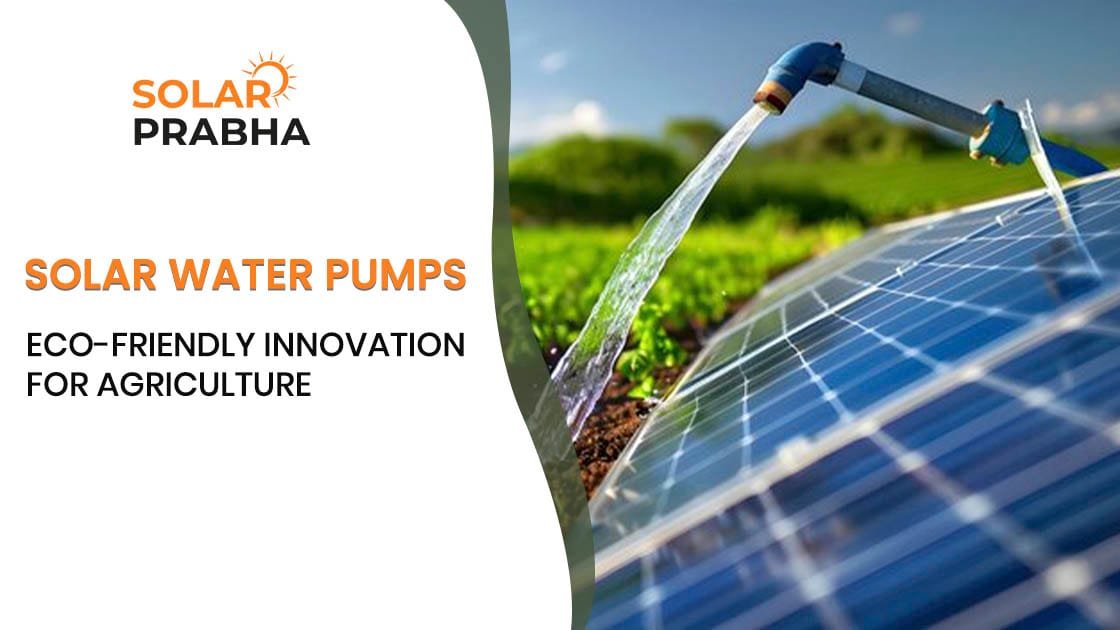
Solar Pumps are emerging as a powerful alternative to conventional diesel or electric pumps. These pumps harness solar energy to draw water from underground or surface sources, offering a clean, renewable, and efficient solution for irrigation, drinking water supply, livestock watering, and more. Their adoption is not just a technological upgrade—it’s a crucial step toward sustainable development, particularly in areas with limited access to electricity and fuel.
What Are Solar Pumps?
Solar pumps are devices that use energy from solar panels to power a motor, which in turn drives a pump to move water. They are typically used for:
- Agricultural Irrigation
- Drinking Water Supply in Villages
- Livestock Watering
- Aquaculture
- Fountains and Landscaping
These systems can be either surface pumps (ideal for lakes, rivers, or shallow wells) or submersible pumps (used for deeper borewells). They usually consist of:
- Photovoltaic (PV) panels to convert sunlight into electricity
- Controller/Inverter to manage power and pump speed
- Pump (surface or submersible)
- Optional battery storage for off-sunshine hours
Why Choose Solar Pumps?
1. Renewable and Clean Energy Source
Solar pumps rely solely on solar energy, making them completely free of emissions. They reduce the carbon footprint and promote the use of sustainable energy in agriculture and water management.
2. Lower Operational Costs
Once installed, solar pumps require little to no fuel or electricity, cutting long-term operational costs significantly. Maintenance costs are also lower compared to diesel pumps.
3. Ideal for Remote Locations
In off-grid areas where electricity is unreliable or unavailable, solar pumps offer a self-sustaining and independent water supply system.
4. Durable and Low Maintenance
Modern solar pumping systems are built to last and require minimal maintenance. With proper care, they can serve effectively for 15–20 years or more.
5. Scalable and Flexible
Solar pump systems can be customized based on specific water needs, from small-scale gardens to large agricultural farms or village water supply systems.
Applications of Solar Pumps in Water Solutions
Agricultural Irrigation
One of the largest applications of solar pumps is in farming. Farmers in sun-rich regions benefit from solar-powered irrigation systems, which help reduce dependency on erratic power supply and expensive diesel.
- Enables irrigation during peak sunlight hours
- Reduces crop loss due to delayed watering
- Can support drip, sprinkler, or flood irrigation systems
Drinking Water Supply
Many rural and tribal communities have limited access to potable water. Solar submersible pumps provide a reliable way to extract clean groundwater and store it in tanks for daily use.
- Reduces time spent fetching water
- Improves hygiene and public health
- Offers 24/7 access when paired with storage systems
Livestock and Dairy Farms
Watering livestock in remote fields is often a challenge. Solar pumps make it easier to supply fresh water for cows, goats, and poultry without the need for electricity.
Aquaculture and Fisheries
Solar pumps are also used to aerate fishponds and maintain water circulation, which improves oxygen levels and fish health.
Community Water Projects
Governments and NGOs often use solar pumps in public water access programs, especially in arid and semi-arid regions.
Economic and Environmental Benefits
Cost Savings
Though initial investment can be higher, solar pumps lead to long-term savings by eliminating fuel and reducing electricity bills.
Eco-Friendly Operation
Solar pumps don’t release greenhouse gases or cause oil spills, unlike diesel-powered systems. They align with climate action goals and contribute to environmental conservation.
Job Creation
Installation and maintenance of solar pump systems create job opportunities in rural areas and support local economies.
Water Resource Management
When combined with smart controllers and moisture sensors, solar pump systems encourage efficient water use and help prevent over-irrigation or water waste.
Government Support and Subsidies
Many governments offer financial assistance and incentives to encourage farmers and rural households to switch to solar pump systems.
- India’s PM-KUSUM Scheme offers up to 90% subsidy for farmers installing solar pumps.
- USAID and other international development organizations support solar irrigation in Africa and Asia.
- UN agencies and NGOs also fund solar water systems for humanitarian purposes.
Check with your local government or renewable energy board to explore available subsidies and financing options.
Challenges and Considerations
While solar pumps offer many benefits, there are a few challenges to consider:
- High Initial Cost: The upfront investment may be a barrier for small farmers without access to credit or subsidies.
- Dependency on Sunlight: Performance drops during cloudy or rainy days unless supported by battery storage.
- Technical Knowledge: Installation and repair require trained professionals, which may not be available in very remote regions.
- Water Table Depth: Deep water tables require more powerful (and expensive) pumps, which may not always be feasible with solar alone.
Tips for Choosing the Right Solar Pump
- Assess Water Needs: Calculate how much water is required daily for irrigation or household use.
- Know the Water Source: Is it a borewell, pond, or river? This determines whether you need a surface or submersible pump.
- Check Solar Availability: Ensure the site receives ample sunlight throughout the year.
- Budget Wisely: Consider installation, future maintenance, and return on investment.
- Work with Reputed Vendors: Choose certified equipment and experienced installers for reliable performance.
The Future of Solar Pumps in Sustainable Development
As solar technology continues to advance and prices decline, solar pumps will become even more accessible. They hold tremendous potential in achieving:
- SDG 6 (Clean Water and Sanitation)
- SDG 7 (Affordable and Clean Energy)
- SDG 13 (Climate Action)
With rising awareness, supportive policies, and technological innovation, solar pumps are not just a trend—they are a crucial part of building a sustainable and water-secure future.
Conclusion
Solar pumps are revolutionizing how communities access and manage water. They offer an environmentally friendly, cost-effective, and highly practical solution for irrigation, drinking water, livestock care, and more. By tapping into the power of the sun, these systems ensure reliable water supply while reducing dependence on fossil fuels and grid electricity.
As climate concerns grow and water demands increase, solar pumps stand out as one of the most promising technologies to meet global water needs sustainably. Whether you’re a farmer, a policy-maker, or a development professional, investing in solar pumping solutions is a forward-thinking move toward a greener and more resilient future.
Comments