Modern Hotel Education Trends for Students in Udaipur
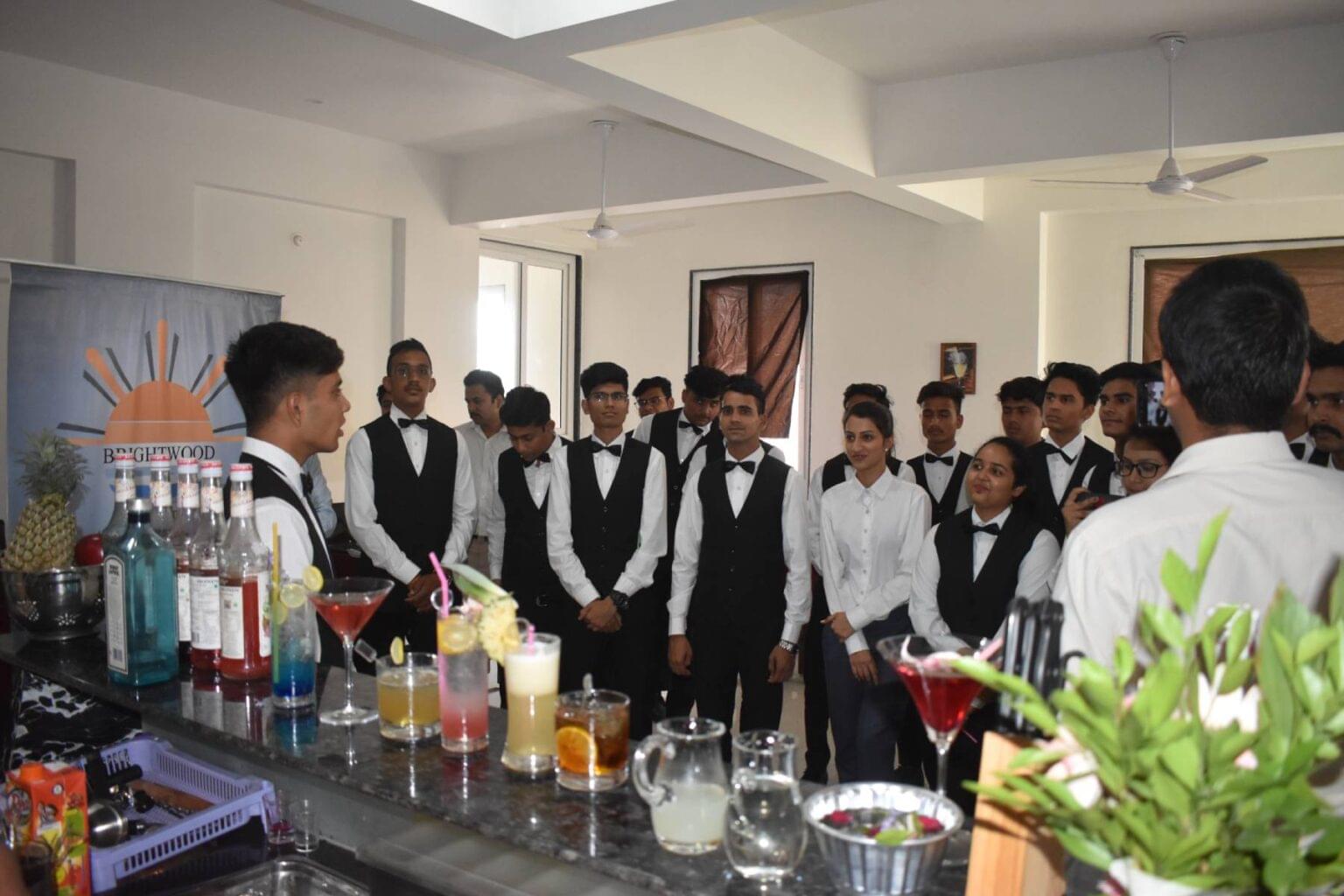
Students searching for quality hospitality education often look for the because institutions with modern teaching methods provide better career Best Hotel Management Colleges in Udaipur Today's hotel management programs combine classroom learning with practical training, industrial exposure, internships, live projects, workshops, personality singhaniahotel development, and digital hospitality tools. This balanced approach ensures students graduate with both theoretical knowledge and professional confidence.
The hotel industry is continuously evolving. Hotels now expect employees to understand guest satisfaction, technology, sustainability, international service standards, and customer relationship management. Modern education prepares students to meet these expectations through industry-oriented learning methods
Evolution of Modern Hotel Education
Hotel education has moved beyond traditional classroom teaching. Earlier, students mainly focused on textbooks and written examinations. Today, institutions emphasize experiential learning where students participate in practical sessions, hotel simulations, industrial visits, and real hospitality projects.
Modern education encourages students to think creatively, solve real-life challenges, and develop leadership qualities. Learning now includes communication improvement, digital hotel management systems, customer behavior analysis, food safety standards, event planning, and hospitality marketing.
Students also learn professional ethics, workplace discipline, and international hospitality standards, making them more competitive in the global job market.
Practical Learning as the Foundation of Success
Practical education has become one of the most important trends in hotel management. Students learn more effectively when they perform hotel operations rather than simply reading about them.
Training kitchens allow students to practice cooking techniques, menu preparation, food presentation, hygiene standards, and kitchen management.
Front office laboratories help students understand reservation systems, guest registration, billing procedures, concierge services, and customer communication.
Housekeeping practical sessions teach room preparation, cleaning standards, inventory management, linen handling, and quality inspection.
Restaurant service training enables students to practice table setting, banquet arrangements, food service techniques, customer interaction, and hospitality etiquette.
Practical exposure develops confidence and prepares students for professional responsibilities before graduation.
Digital Technology in Hotel Education
Technology has become an essential part of modern hospitality education. Hotels now use advanced software for reservations, guest management, billing, inventory control, and customer relationship management.
Students learn hotel property management systems, online booking platforms, digital payment systems, revenue management software, and hospitality analytics.
Technology-based learning also includes virtual demonstrations, online hospitality modules, digital presentations, and smart classrooms that enhance the educational experience.
Understanding hospitality technology gives students an advantage during placements because employers prefer candidates familiar with modern hotel systems.
Industry Exposure and Real Hotel Experience
Industry exposure remains one of the strongest components of modern hotel education. Students regularly visit hotels, resorts, convention centers, and hospitality organizations to understand real workplace environments.
Industrial visits help students observe hotel operations, department coordination, guest handling, food production processes, housekeeping standards, and event management activities.
Guest lectures conducted by hospitality professionals introduce students to current industry practices, international service standards, leadership skills, and career opportunities.
These experiences allow students to connect classroom knowledge with practical applications.
Skill Development Beyond Academics
Modern hospitality education focuses on overall personality development along with technical knowledge.
Communication skills are strengthened through presentations, group discussions, role-playing activities, and guest interaction exercises.
Leadership abilities improve through team projects, event management, departmental coordination, and student responsibilities.
Problem-solving skills develop when students face practical hospitality situations requiring quick and effective decision-making.
Critical thinking, adaptability, teamwork, creativity, and customer service orientation are also emphasized throughout the learning process.
These skills prepare students for supervisory and managerial roles in the future.
Importance of Internship Programs
Internships are now considered one of the most valuable parts of hotel education. During industrial training, students work in professional hotels under experienced hospitality managers.
Internships provide firsthand experience in front office operations, housekeeping, food production, restaurant service, guest relations, banquet management, and hotel administration.
Students learn professional discipline, workplace ethics, customer expectations, and operational efficiency while working with experienced teams.
Many hospitality organizations recruit interns for permanent positions after successful training, making internships an important career opportunity.
Focus on Sustainable Hotel
Sustainability has become an important trend in modern hotel education.
Students learn eco-friendly hotel operations, waste management, water conservation, energy efficiency, responsible tourism, and sustainable food practices.
Hotels worldwide are adopting environmentally responsible operations, and educational institutions now prepare students to support these initiatives.
Understanding sustainable hospitality improves career opportunities because many international hotel brands prioritize environmentally conscious professionals.
Career Opportunities in Modern Hotel
Modern hotel education opens career opportunities across multiple sectors.
Graduates can work in luxury hotels, resorts, cruise lines, airlines, restaurants, event management companies, tourism organizations, corporate hospitality departments, hospitals, clubs, catering companies, and international hotel chains.
Popular career roles include Front Office Executive, Food and Beverage Supervisor, Chef, Housekeeping Executive, Guest Relations Officer, Sales Coordinator, Banquet Executive, Hospitality Trainer, Hotel Operations Executive, and Revenue Management Associate.
With experience and continuous learning, professionals can advance into departmental leadership and senior management positions.
Importance of Soft Skills in Hotel
Technical knowledge alone cannot guarantee success in hospitality. Employers also value interpersonal and behavioral skills.
Students learn professional communication, confidence building, conflict resolution, emotional intelligence, customer handling, public speaking, business etiquette, and multicultural communication.
Soft skills improve guest satisfaction and strengthen workplace relationships.
Hospitality professionals who combine technical expertise with excellent communication often achieve faster career growth.
Learning Experience with singhaniahotel
Modern hotel education emphasizes continuous learning, practical exposure, innovation, and professional development. At students receive opportunities to strengthen their knowledge through practical training, skill development activities, industrial exposure, personality enhancement programs, internships, workshops, and hospitality-focused learning experiences.
The learning environment encourages students to develop technical expertise along with communication, leadership, teamwork, and customer service skills. This balanced educational approach prepares future hospitality professionals for both national and international career opportunities.
Conclusion
Modern hotel education has transformed the way students prepare for hospitality careers. Today's learning combines classroom education with practical training, technology, internships, industry exposure, and personality development. These modern educational trends help students become confident, skilled, and industry-ready professionals.
For students planning a successful career in hospitality, selecting one of the provides access to quality education, experienced faculty, and practical learning opportunities. Institutions like continue to support students by focusing on industry-oriented education that prepares them for the dynamic and competitive hospitality sector. With continuous learning and real-world experience, students can build rewarding careers in hotels and hospitality organizations across India and around the world.
Comments