Securing a visa for the Democratic Republic of the Congo (DRC) is a vital step for Indonesian citizens planning to visit the "Heart of Africa." Whether you are drawn by the mist-covered peaks of the Virunga Mountains or the bustling business districts of Kinshasa, the transition to electronic systems has made the application more accessible.
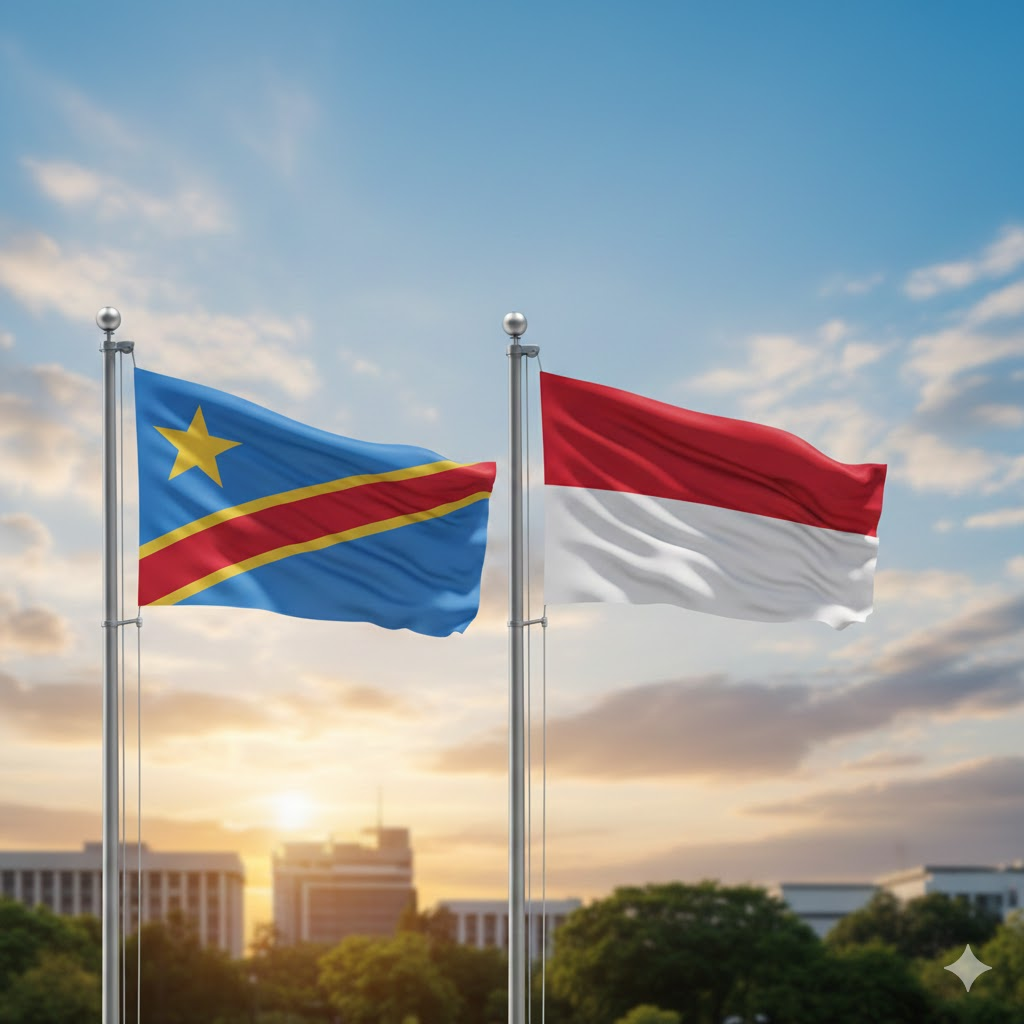
This expanded guide provides an in-depth look at the DRC eVisa for Indonesia citizens, covering everything from document preparation to essential cultural norms and safety protocols.
Do Indonesian Citizens Need a Visa for the DRC?
Yes, Indonesian passport holders are required to obtain a visa before entering the DRC. There is no "visa-free" entry for Indonesian citizens. Currently, the most efficient method is applying for the Ordinary Flying eVisa (Visa Volant). This serves as a pre-authorization that allows you to board your flight and receive the physical visa stamp upon arrival at major gateways, such as N’djili International Airport in Kinshasa.
What is the Ordinary Flying eVisa?
The Flying eVisa is a digital authorization issued by the Direction Générale de Migration (DGM). It is specifically designed for tourists and business travelers who do not have easy access to a Congolese embassy in their home country. Indonesia does not have a resident DRC embassy, making the eVisa the primary and most convenient route for travelers from Jakarta, Surabaya, or Bali.
How Long Can I Stay with a DRC Visa?
The standard Ordinary eVisa usually grants a stay of 30 days. It is generally a single-entry visa. If you intend to stay longer for research or extended business, you must visit the DGM headquarters in Kinshasa to apply for a Visa d'Etablissement (Resident Visa) or an extension.
What is the Validity of the DRC eVisa for Indonesian Citizens ?
Once issued, the eVisa is typically valid for entry for 30 to 90 days. This means you must enter the DRC within this timeframe. If your travel plans change and you exceed this window, you will need to re-apply and pay the fees again.
How to Apply for a DRC eVisa from Indonesia?
The application process is entirely digital. Follow these steps:
- Fill the Form: Enter your personal details exactly as they appear on your Indonesian passport.
- Upload Documents: Attach digital copies of your passport, photo, and motivation letter.
- Payment: Pay the administrative and visa fees using a credit/debit card.
- Receive Approval: Your eVisa will be sent to your registered email in PDF format.
What Documents are Required for the DRC eVisa ?
Accuracy is key to avoiding rejection. Prepare the following:
- Passport Copy: A scan of the bio-data page. Your passport must have at least 6 months validity remaining and at least two blank pages.
- Passport Photo: A recent, color digital photo with a plain white background.
- Motivation Letter: A formal letter addressed to the DRC Immigration Authorities. It should clearly state your purpose (tourism/business), where you will stay, and your commitment to return to Indonesia.
How Long Does It Take for DRC eVisa to be Approved?
The DRC offers tiered processing speeds to accommodate last-minute travelers, making it easier to plan your trip according to the DRC Visa Processing Time.
| Processing Type | Estimated Time | Best For |
| Normal Processing | 11 – 13 Working Days | Planned vacations |
| Rush Processing | 8 – 11 Working Days | Tight schedules |
| Super Rush Processing | 5 – 8 Working Days | Urgent business/emergencies |
Can I Get an Urgent DRC eVisa?
Yes. If you have an urgent need to travel, the Super Rush option is available. However, "urgent" still means a minimum of 5 working days. Be wary of any service claiming "instant" or "24-hour" visas, as the DGM requires time for security vetting.
Is It Mandatory to Take Transit eVisa for the DRC?
If you are an Indonesian citizen transiting through Kinshasa for less than 24 hours and staying within the airport's international zone, you do not need a visa. However, if you need to switch airports (e.g., flying from N’djili to a regional hub) or stay in a hotel overnight, a DRC Transit Visa is required.
Is the DRC Safe for Indonesian Tourists?
Safety in the DRC is regional:
- West (Kinshasa/Lubumbashi): Generally stable, but requires "street smarts." Avoid walking alone at night and keep valuables out of sight.
- East (Goma/North Kivu): This region is beautiful (home to mountain gorillas) but currently experiences conflict. Consult the latest Indonesian Kemlu advisories before booking travel to the East.
Which type of currency is used in the DRC?
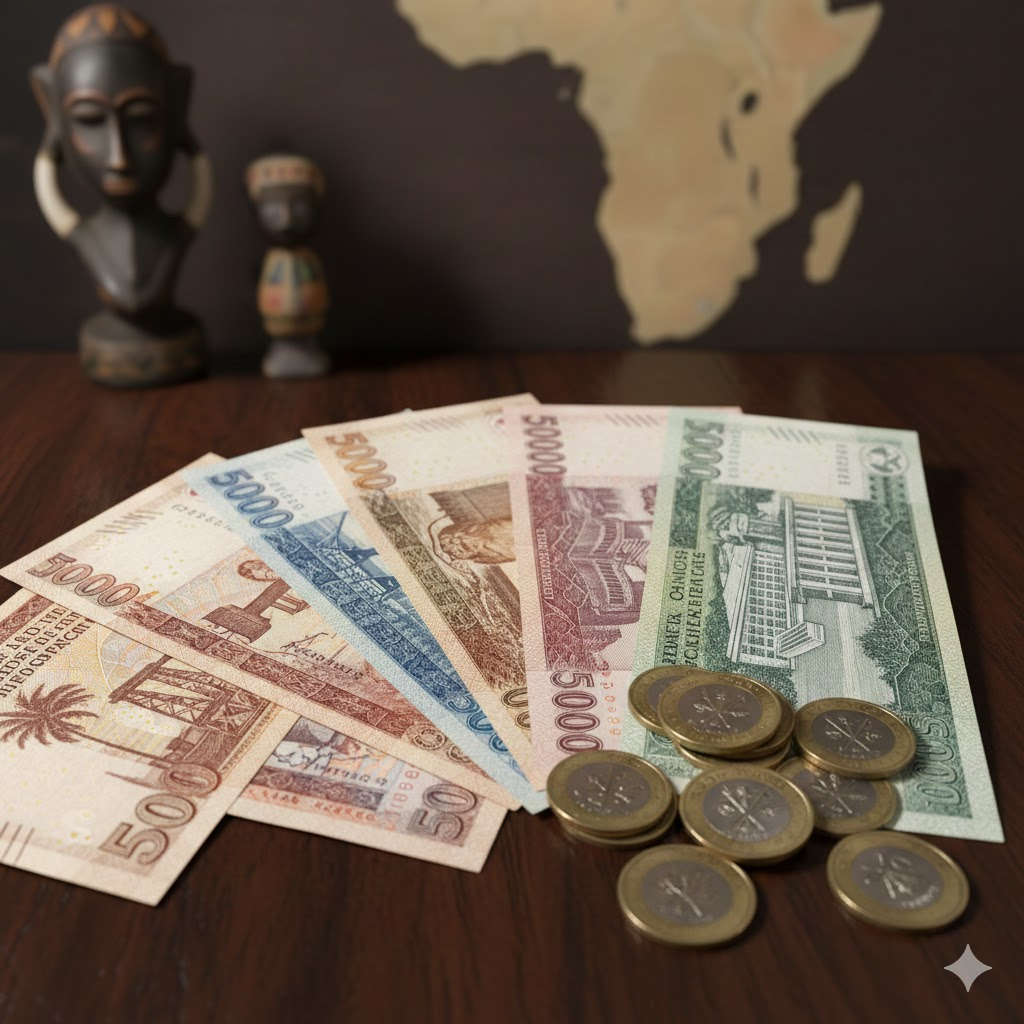
The official currency is the Congolese Franc (CDF). However, the US Dollar (USD) is widely accepted and often preferred in hotels, restaurants, and for large transactions.
- Tip: Ensure your USD bills are printed after 2010 and are in pristine condition (no tears or marks), as many local banks and vendors will reject older or worn notes.
What are The Country Rules in DRC for Tourists?
- Photography Laws: It is strictly illegal to photograph government buildings, bridges, airports, or military personnel. This is a common pitfall for tourists.
- Presidential Motorcades: If a motorcade passes, pull your vehicle to the side of the road and stop. Do not take photos of the procession.
- Dress Code: Congolese people take great pride in their appearance. Dressing neatly (business casual) will often earn you more respect in official settings.
- Identification: Always carry a copy of your passport and visa. Keep the original in a hotel safe.
- Respect: Always ask for permission before taking photos of local people.
What are the Emergency Numbers in DRC for Tourists?
- Police: 112
- Fire: 118
- Health Emergencies: 110
- Consular Assistance: Since there is no Indonesian Embassy in the DRC, contact the Indonesian Embassy in Nairobi, Kenya, which oversees DRC affairs, or the Indonesian Consulate in neighboring countries.
What are Children Rules for Traveling in DRC?
Minors must have their own passport and eVisa. Additionally:
- Birth Certificate: Carry a copy (translated into French or English).
- Parental Consent: If a child is traveling with only one parent, a notarized letter of consent from the absent parent is mandatory to prevent child trafficking issues at the border.
What is the Refund Policy for DRC eVisa?
The DRC eVisa fee is non-refundable. Even if your application is denied or you cancel your trip, the government does not return the processing fees. Ensure all your data matches your passport exactly to avoid losing your payment.
Conclusion
Traveling from Indonesia to the DRC is an adventure that requires careful preparation. By securing your eVisa in advance and respecting local laws, you can enjoy one of the most culturally rich and geographically diverse countries in Africa.
Comments