Car Mileage Calculator: How Your Car Tyres Affect Fuel Efficiency
Fuel efficiency is one of the most closely watched metrics for Indian car owners, and with good reason. Petrol and diesel prices in India have remained high and variable, making the real-world fuel consumption of a vehicle a direct determinant of monthly ownership costs. A car mileage calculator helps drivers estimate and track their vehicle’s fuel consumption across different driving conditions, but understanding the numbers a car mileage calculator produces requires knowing what factors actually influence fuel efficiency. Among those factors, car tyres play a more significant role than most drivers realize.
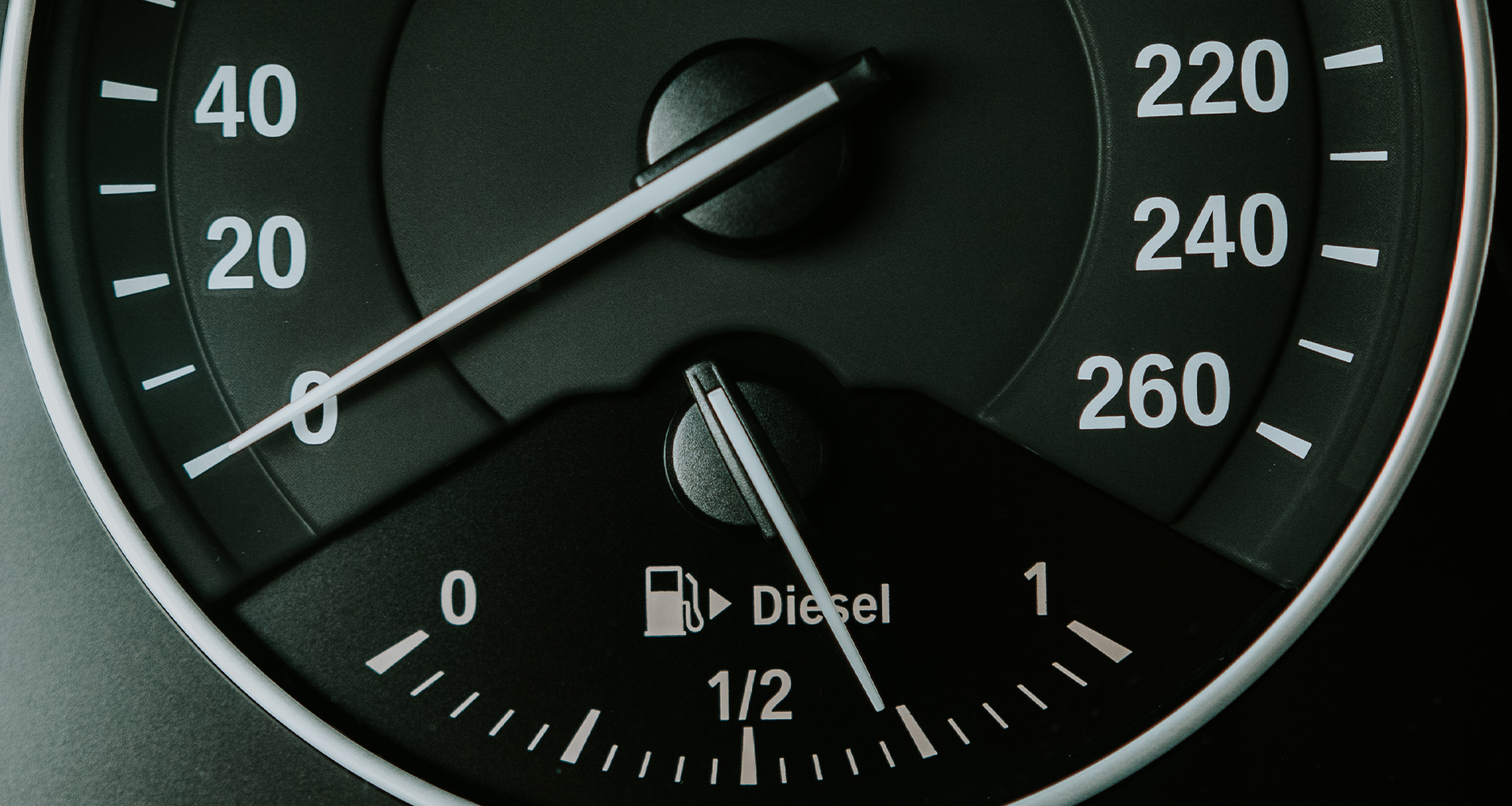
How to Use a Car Mileage Calculator
A basic car mileage calculator uses the relationship between distance covered and fuel consumed to express fuel efficiency as kilometres per litre (km/l). The standard method is to fill the tank completely, reset the trip meter, drive a representative mix of city and highway kilometres, refill the tank completely, and divide the distance covered by the litres consumed. This manual method remains the most accurate approach for real-world fuel efficiency measurement, because it accounts for actual driving conditions rather than relying on the vehicle’s onboard computer, which estimates rather than measures consumption.
A more sophisticated car mileage calculator approach uses data logging over several complete tank cycles to smooth out the variation between individual trips. A single measurement can be misleading if it was made during unusual conditions, such as a long highway drive that produces better-than-average results, or heavy city traffic that produces worse-than-average consumption. Using the average of five or more complete tank cycles gives a reliable baseline against which to measure the impact of changes including new car tyres.
How Car Tyres Affect Fuel Efficiency
The relationship between car tyres and the numbers produced by your car mileage calculator is primarily mediated through rolling resistance. Rolling resistance is the energy your engine must spend to keep the tyres rotating as they deform under the vehicle’s weight and spring back with each revolution. Not all of the energy spent on deformation is recovered in the springback, and this energy loss is expressed as heat. The proportion of the engine’s power consumed by rolling resistance varies by tyre construction, compound, size, and inflation pressure.
Tyre Construction and Rolling Resistance
Modern radial car tyres use a construction approach that allows the sidewall and tread to flex relatively independently, which reduces the energy loss associated with deformation compared to older cross-ply constructions. Within radial tyres, the specific rubber compound used in the tread and sidewall significantly affects rolling resistance. Premium tyre manufacturers invest in compound development that balances rolling resistance reduction with the wet grip and wear resistance that safety and longevity demand. Poor-quality car tyres made from lower-grade compounds often have higher rolling resistance, which your car mileage calculator will reflect in lower km/l readings.
Tyre Width and Aerodynamic Drag
Wider car tyres create slightly more aerodynamic drag and a larger contact patch, both of which increase rolling resistance compared to narrower alternatives. This is why the vehicle manufacturer’s recommended tyre width represents the optimal balance the engineering team has already calculated for that vehicle. Fitting wider tyres than specified for a visual enhancement will typically register as a measurable reduction in your car mileage calculator readings over time, particularly at highway speeds where aerodynamic factors become more significant.
Tyre Pressure and Rolling Resistance
Maintaining correct tyre inflation pressure is the most directly controllable factor connecting car tyres to your car mileage calculator readings. An underinflated tyre deforms more during each revolution, increasing the energy lost to heat and raising rolling resistance significantly. Research suggests that tyres running four PSI below their recommended inflation pressure can increase rolling resistance by five to eight percent, which translates directly into lower km/l readings. Checking tyre pressure monthly and always inflating to the vehicle manufacturer’s specification rather than the maximum printed on the tyre sidewall is the single most cost-effective maintenance action available for fuel efficiency.
Seasonal Effects on Mileage and Tyres
Indian car owners using a car mileage calculator regularly will notice seasonal variation in their readings. During summer months, the higher ambient temperature reduces air density, slightly improving aerodynamic efficiency, but also increases tyre pressure as heated air expands. Tyres that are correctly inflated in the morning can become slightly overinflated by midday in summer, which reduces the contact patch and can marginally increase rolling resistance while decreasing wet grip. During monsoon season, wet road surfaces increase tyre slip and reduce effective traction, which the engine must compensate for with additional fuel.
Premium car tyres from manufacturers with serious European performance credentials, like Vredestein which has over 110 years of tyre development history, are engineered to maintain consistent performance across these seasonal variations through careful compound selection and tread design. An upgrade to higher-quality car tyres from a budget alternative often produces measurable improvement in a car mileage calculator reading because better rolling resistance characteristics directly reduce the load on the engine at every point in every journey.
Conclusion
Your car mileage calculator readings are a direct window into how efficiently your vehicle is converting fuel into motion, and car tyres are one of the most significant variables influencing those readings. Choosing quality tyres with low rolling resistance, maintaining correct inflation pressure, and matching the tyre size to the vehicle manufacturer’s specification are the three most impactful tyre-related decisions any Indian car owner can make for sustained fuel efficiency.
Comments