At Royal Agri, we understand the operational challenges faced by food manufacturers. Procurement teams must balance quality, compliance, and cost efficiency while ensuring uninterrupted production cycles. This guide provides a structured approach to sourcing high-quality cinnamon sticks in bulk.
? Understanding Cinnamon Grades and Quality Standards
Before placing large orders, manufacturers should understand how cinnamon is graded. Quality differences can significantly impact flavor intensity, oil content, and overall product performance.
When evaluating Bulk Cinnamon Sticks, consider:
Bark Thickness: Thinner layers often indicate higher-grade cinnamon.
Curl Formation: Tight, multi-layer curls are preferred for premium applications.
Color Consistency: A uniform light-to-medium brown shade suggests proper drying.
Aroma Strength: Fresh cinnamon should release a warm, sweet fragrance immediately.
Moisture Content: Lower moisture reduces the risk of mold during storage.
Clear grading standards protect manufacturers from inconsistencies that may affect final product taste or shelf life.
? Source and Cultivation Practices
The origin of cinnamon plays a vital role in determining its flavor profile. Climate, soil conditions, and harvesting methods influence essential oil concentration and bark texture.
Reliable suppliers should provide:
Transparent farm sourcing
Sustainable cultivation practices
Organic or low-chemical farming methods
Batch traceability documentation
Ethical and sustainable sourcing not only ensures quality but also enhances brand credibility in markets increasingly focused on responsible agriculture.
? Storage, Packaging, and Logistics
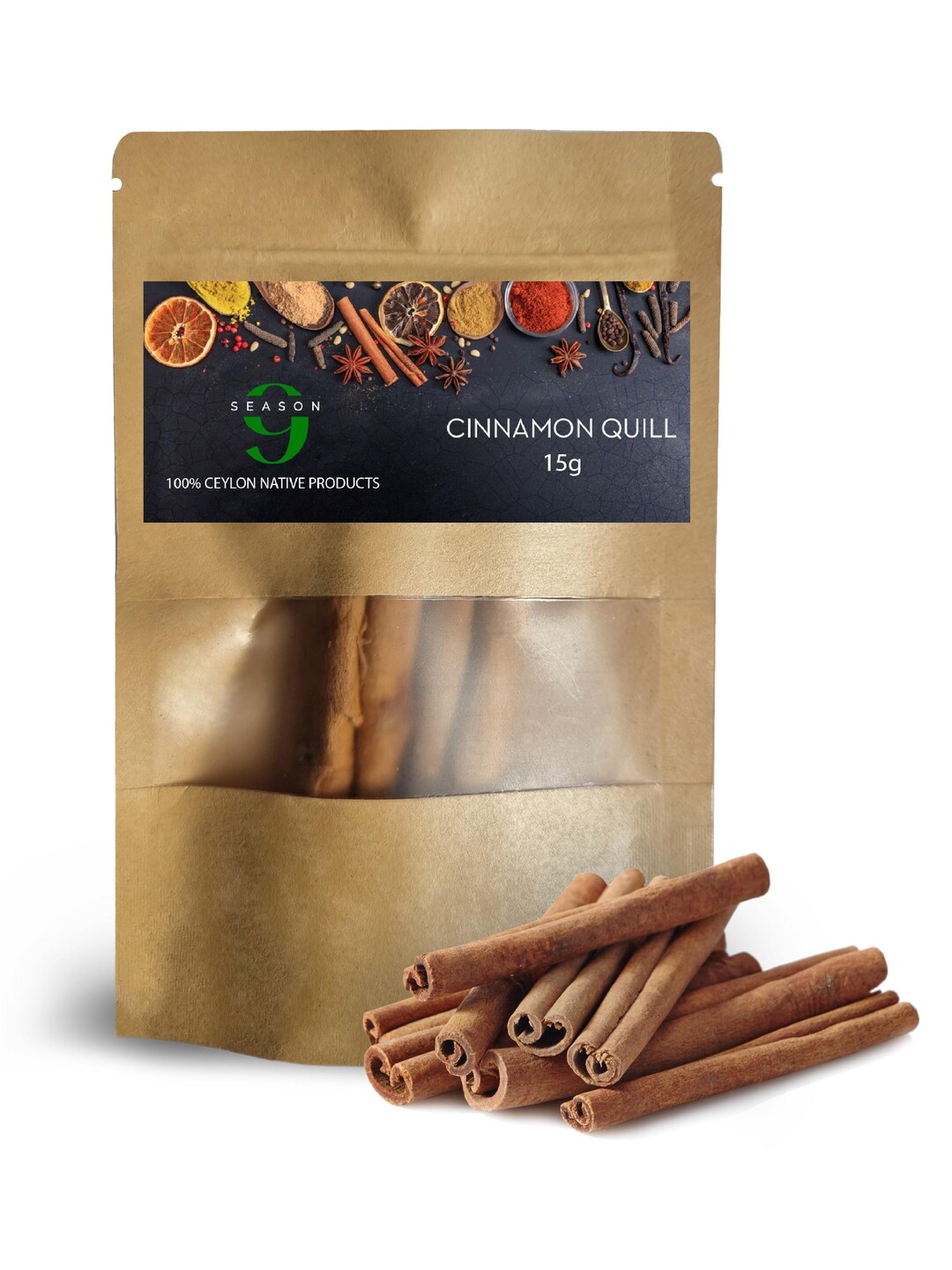


When procuring Bulk Cinnamon Sticks, storage and transport conditions are just as important as initial quality. Improper packaging can lead to moisture absorption, aroma loss, and contamination.
Best practices include:
Food-grade, moisture-resistant packaging
Proper ventilation to prevent condensation
Sealed sacks or cartons for long-distance shipping
Temperature-controlled storage facilities
Manufacturers should also verify export documentation and compliance with international food safety regulations to avoid delays or quality issues.
? Quality Testing Before Final Purchase
Procurement teams should conduct or request laboratory testing before confirming bulk shipments. Testing ensures that cinnamon meets required standards for food manufacturing.
Key quality checks include:
Essential oil percentage
Microbial safety levels
Pesticide residue testing
Moisture analysis
Visual inspection for impurities
Routine testing safeguards brand integrity and ensures consistent product output across batches.
Many food manufacturers today diversify ingredient sourcing to improve operational efficiency. Alongside cinnamon, herbal ingredients like Moringa Leaves for Sale are gaining popularity in functional foods, teas, and health supplements.
Partnering with a supplier capable of providing both spices and herbal ingredients offers several advantages:
Consolidated logistics and reduced freight costs
Consistent quality control across product lines
Simplified procurement processes
Stronger supplier relationships
Integrated sourcing allows businesses to expand product portfolios while maintaining reliability.
? Selecting the Right Long-Term Supplier
The right supplier is more than a vendor — they are a strategic partner. When sourcing Bulk Cinnamon Sticks, manufacturers should evaluate:
Production capacity and scalability
Consistency across multiple shipments
Transparent communication and documentation
Ability to meet customized grading requirements
Competitive pricing without compromising quality
Long-term partnerships reduce procurement risks and provide stability in volatile global markets.
? Cost Efficiency vs. Quality: Finding the Balance
While price is always a factor in bulk procurement, focusing solely on low cost can lead to inconsistent quality, higher rejection rates, and customer dissatisfaction.
Investing in premium-grade cinnamon offers:
Stronger aroma and flavor retention
Lower wastage in production
Higher perceived product value
Reduced risk of recalls or complaints
Strategic sourcing focuses on total value rather than upfront price alone.
? Building a Reliable Procurement Strategy
To ensure smooth operations, food manufacturers should implement a structured procurement plan:
Define quality specifications clearly.
Request product samples before large commitments.
Verify certifications and compliance records.
Establish consistent communication channels.
Monitor batch performance after delivery.
A proactive procurement strategy protects production timelines and strengthens supply chain resilience.
? Final Thoughts
Sourcing Bulk Cinnamon Sticks requires careful attention to quality, storage, and supplier reliability. For food manufacturers, consistent aroma, oil content, and grading standards are essential to maintaining brand reputation and customer satisfaction.
Working with experienced exporters like Royal Agri ensures dependable access to premium spices while offering opportunities to expand into complementary products such as Moringa Leaves for Sale for functional food and wellness markets.
In today’s global food industry, strong ingredient sourcing is not just an operational necessity — it is a competitive advantage.
Comments